InsTech Netherlands is a dynamic and innovative company at the forefront of smart security inspection technology. Established in 2017 the company has rapidly expanded its presence with offices in Rotterdam and Amsterdam. InsTech Netherlands is committed to pioneering inspection solutions across various industries, including cargo, aviation, mining, food safety and etc.
The company boasts a state-of-the-art research and development (R&D) center in the Netherlands. With a fully equipped project and service team, InsTech Netherlands caters to the Benelux region and provides extensive support to customers and partners across Europe. Through our innovative solutions, InsTech Netherlands continues to lead the way in smart security inspection technology, dedicated to enhancing safety and efficiency across multiple industries.
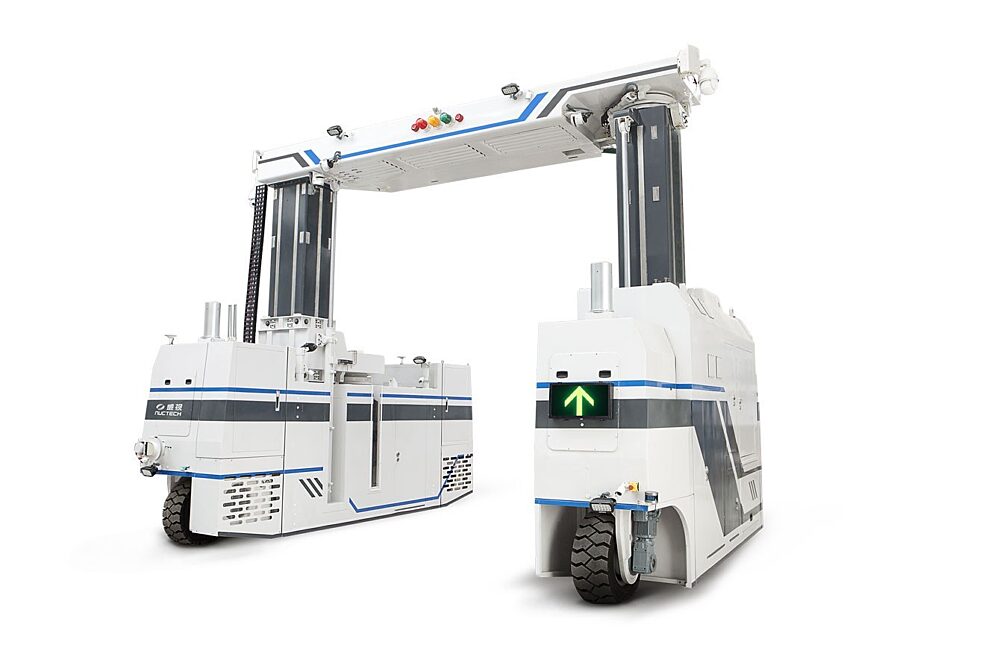
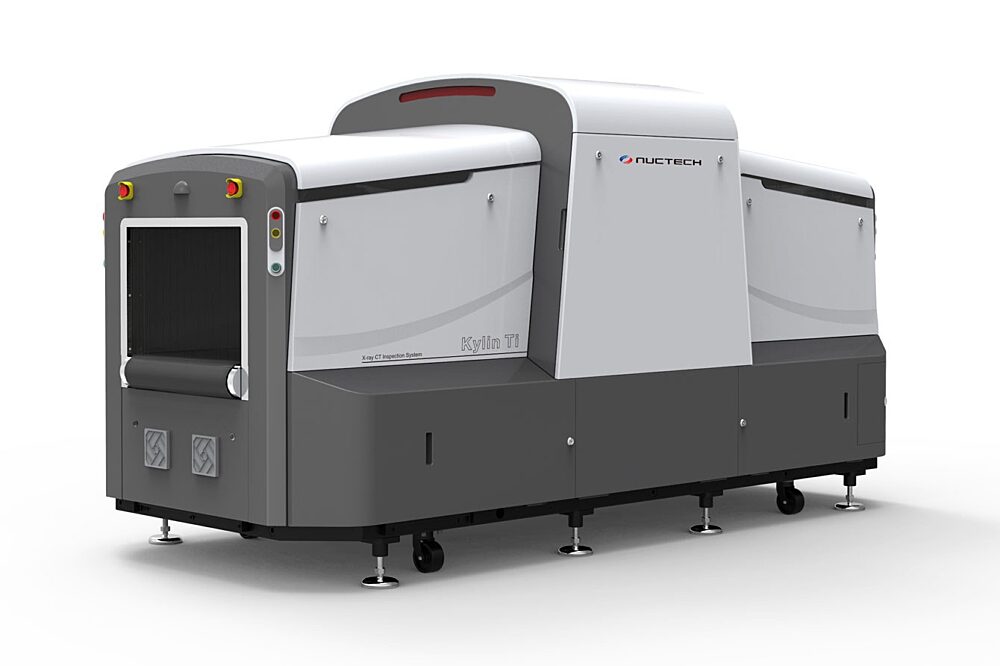
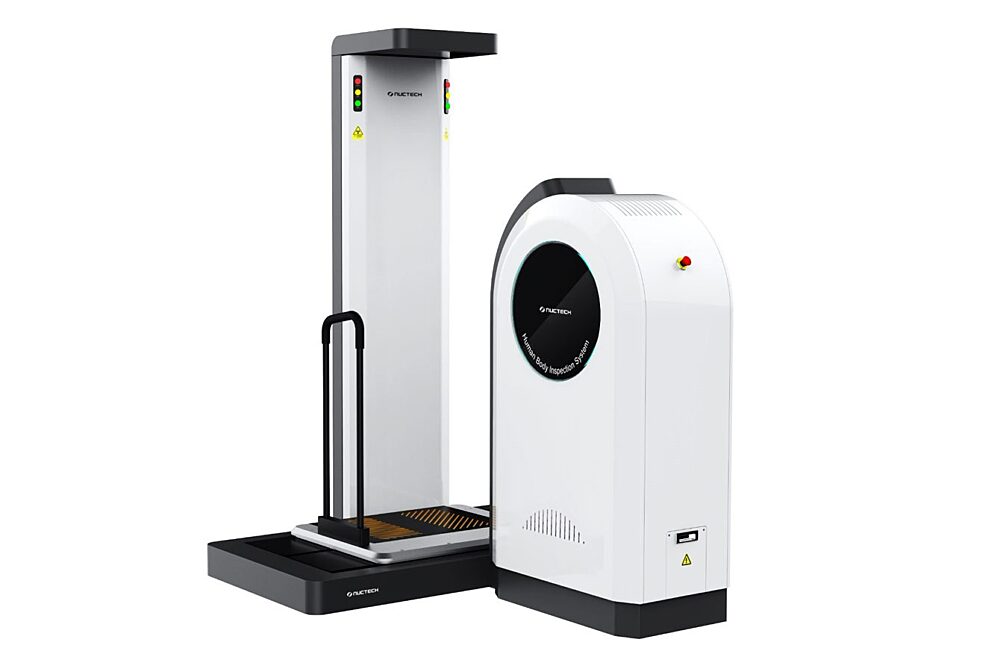
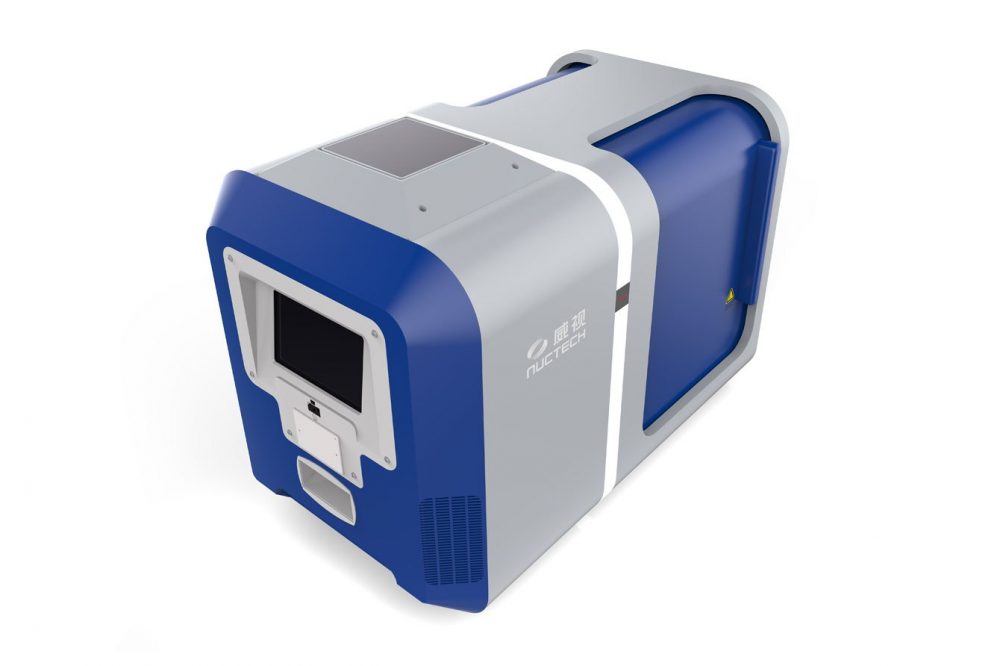
InsTech Netherlands has one of the most extensive product portfolios in the security and screening sector. The most representative of these are the mobile, cargo and vehicle inspection, baggage and parcel inspection, personnel screening, explosives, narcotics detection and liquids inspection.

26/10/2026
-
Blog post
At InsTech Netherlands, we continue to develop and provide cutting-edge security inspection solutions that make a real difference in aviation, customs, and public safety.
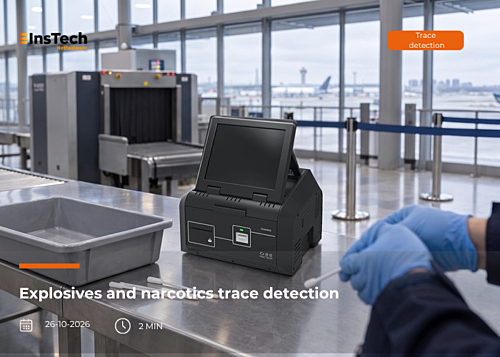
Not every threat is visible on an X-ray image. Discover how ion mobility spectrometry and Raman spectroscopy detect explosives and narcotics within seconds, and when to use which technology at your checkpoint.
30/09/2026
-
Blog post
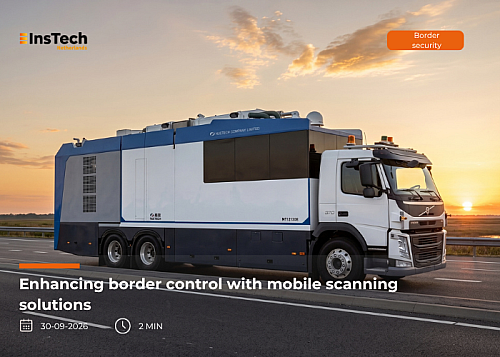
Mobile scanning solutions give border control agencies the flexibility to inspect vehicles and cargo wherever additional screening capacity is needed. Discover how mobile inspection systems can support efficient, secure and adaptable border operations.
23/09/2026
-
Blog post
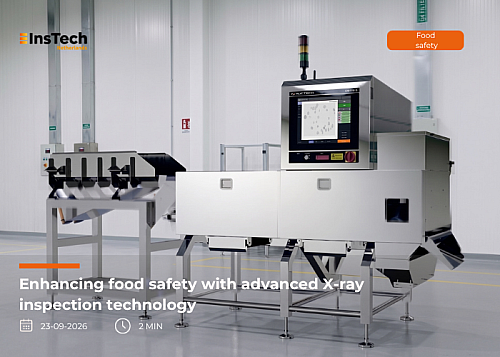
Food safety depends on detecting potential contaminants before products reach consumers. Advanced X-ray inspection technology helps food manufacturers identify foreign objects, strengthen quality control and maintain efficient production processes.
Its core products have been approved by regulatory agencies, including the Civil Aviation Administration of China (CAAC), the UK Department for Transport (DfT) and the European Civil Aviation Conference (ECAC).

If the website has made you curious about our security inspection products and services, then don't hesitate to contact us. We like nothing better than to tell you more about what we can offer.